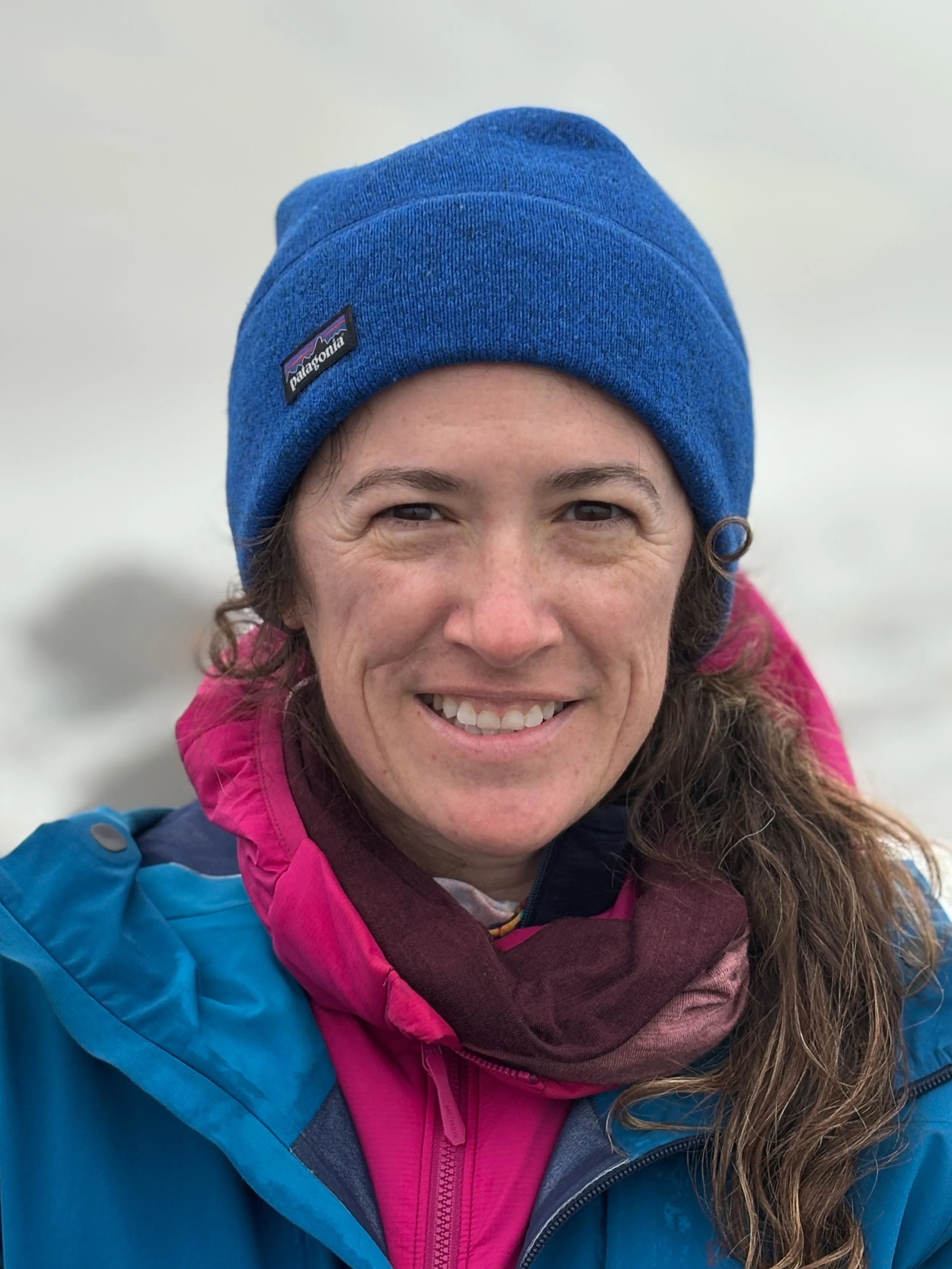
Dr. Alicia (Allie) Rutledge
Planetary Glacial Geologist and SEAHAG Lab PI
Planetary Glaciology | Cryosphere | Remote Sensing | Subglacial ProcessesMeet Allie Rutledge
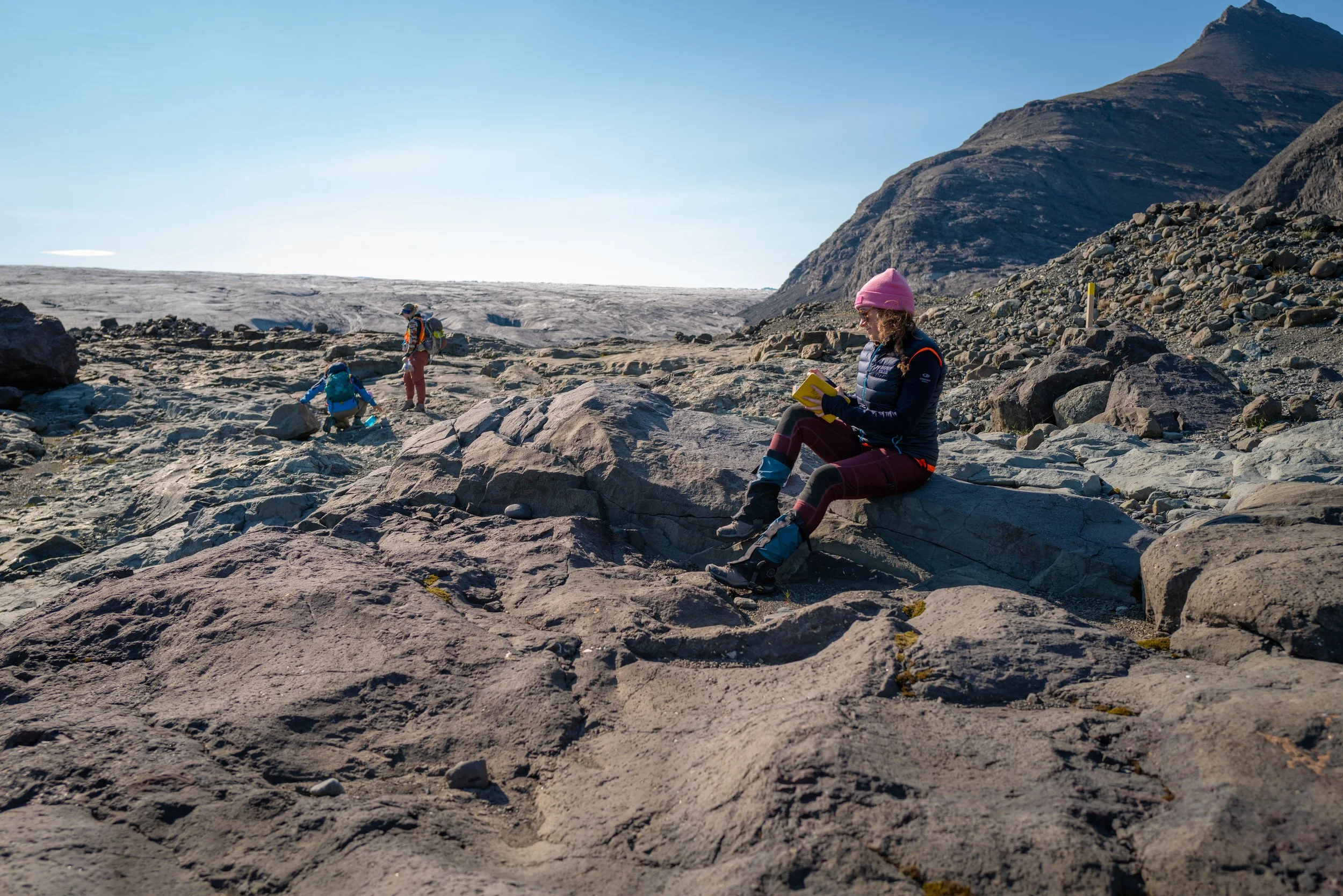
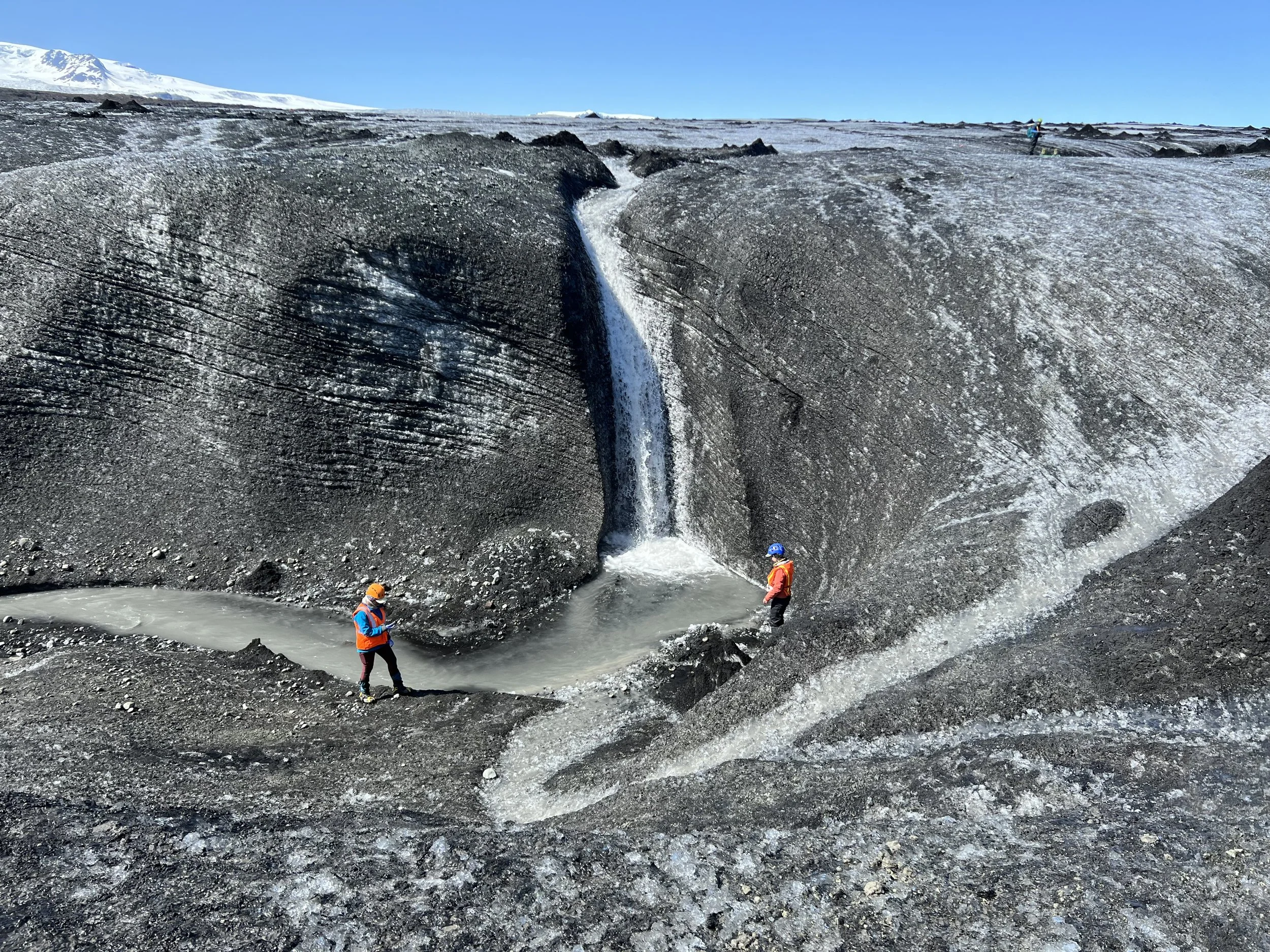
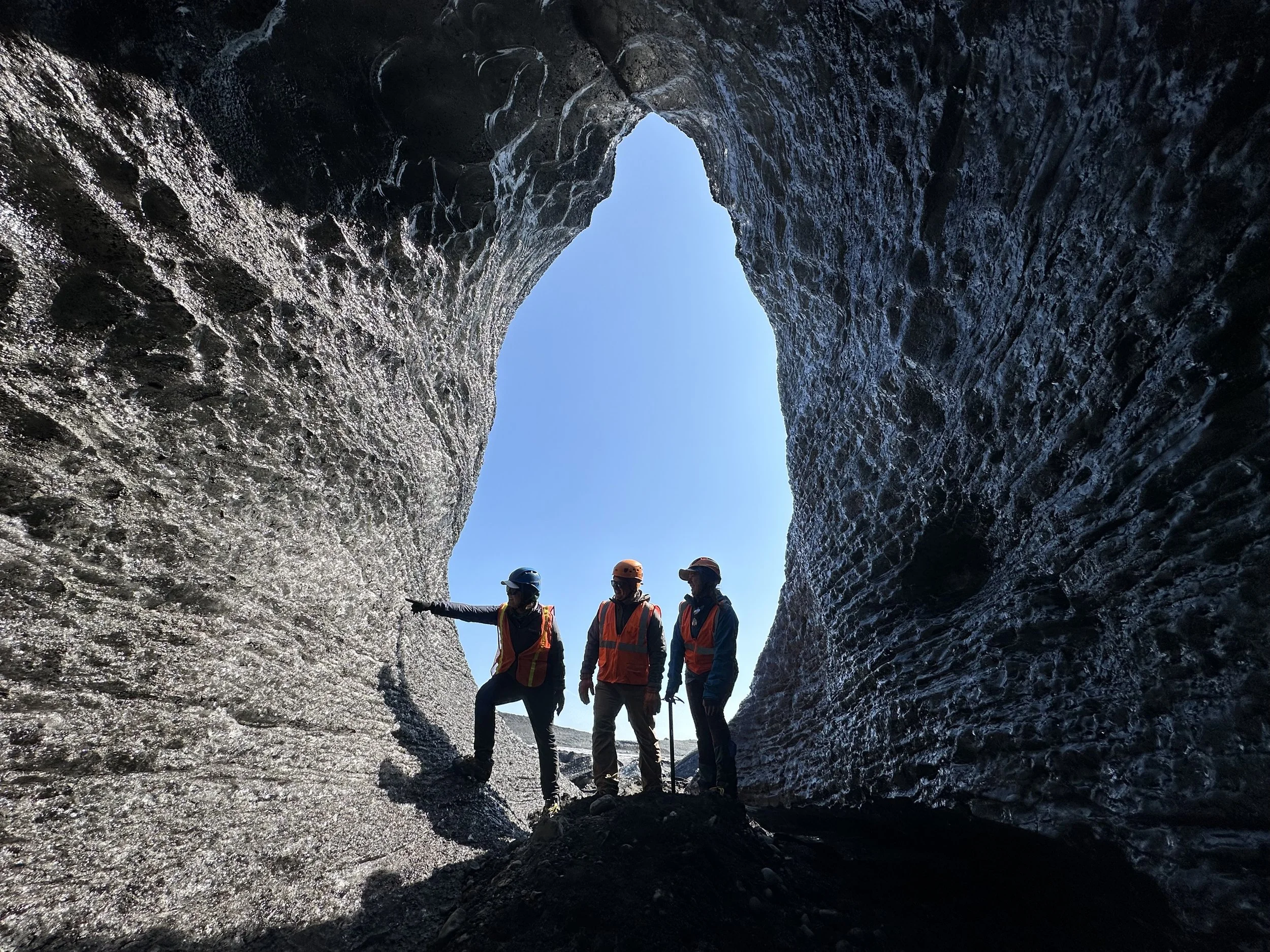
I am a planetary glaciologist and an Assistant Professor of Planetary Science at Northern Arizona University. I pursued scientific training at Texas A&M University (B.S., Aerospace Engineering; M.S. Forestry), Arizona State University (Ph.D, Geological Sciences) and Purdue University (Postdoctoral Research Scientist, Planetary Science). My research focuses on the composition, physiochemical processes, and morphology of planetary surfaces. I am particularly interested in glaciated regions on Earth and Mars, using a combination of field work, remote sensing, mineralogical analyses, and geochemical experiments to constrain present-day processes and better understand past climates. My work has taken me to the high Arctic and alpine regions in pursuit of glacially altered bedrock and the resulting alteration products.
I rely on my multidisciplinary background to help me bridge quantitative analysis, experimental design, and rigorous field observations in order to better understand natural systems and geologic processes. I have found planetary science and glaciology to be inherently interdisciplinary fields and I enjoy working with students from a variety of backgrounds. I think that science is strongest when we bring our whole selves to the table, and am particularly excited to mentor students and postdocs from minoritized backgrounds.
I am also a Latina from the Rio Grande Valley of Texas, a mother to two children, and a runner.
From Glacier Caves to Planetary Science:
Cryosphere, Remote Sensing, and Subglacial Processes
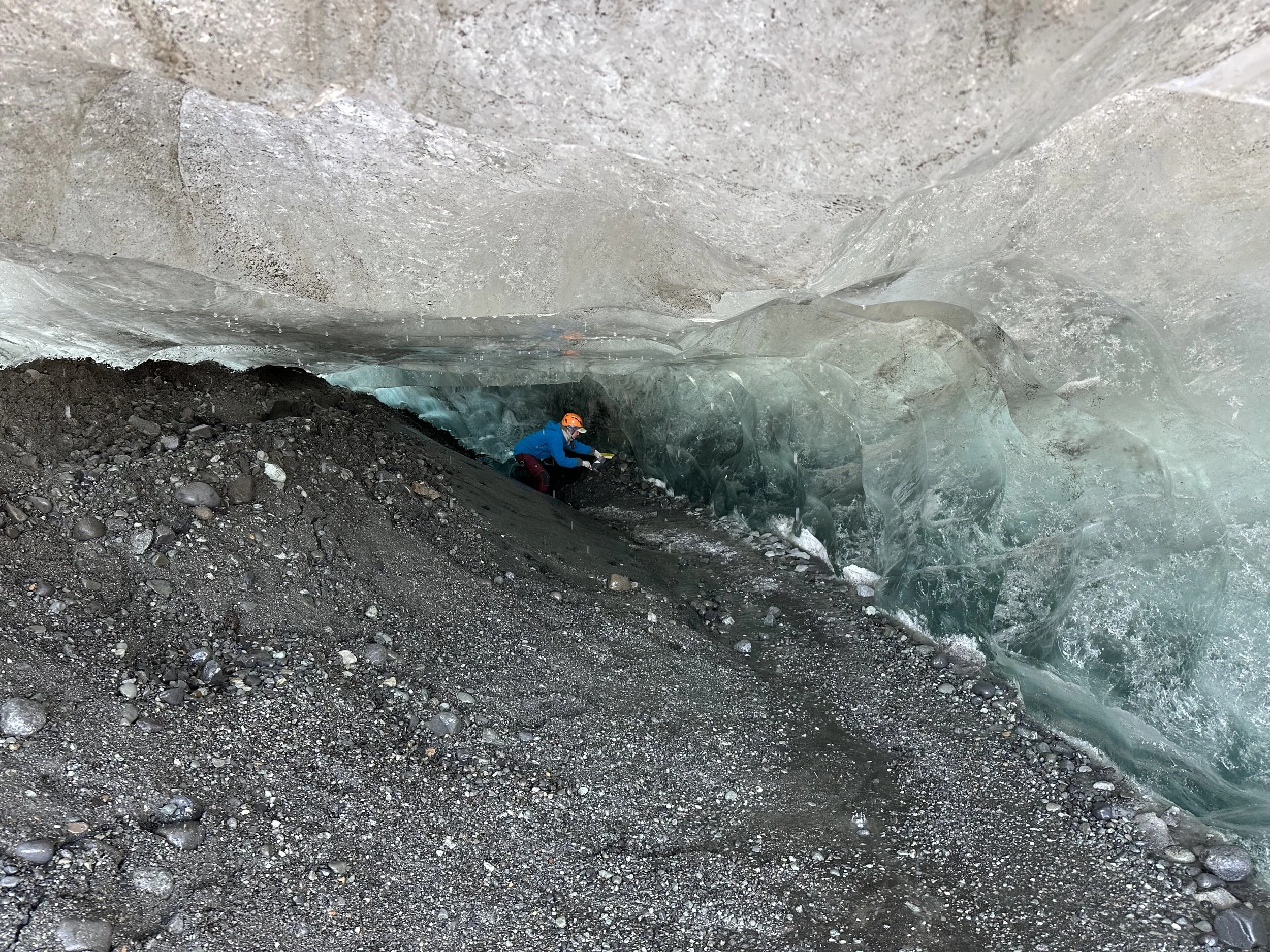
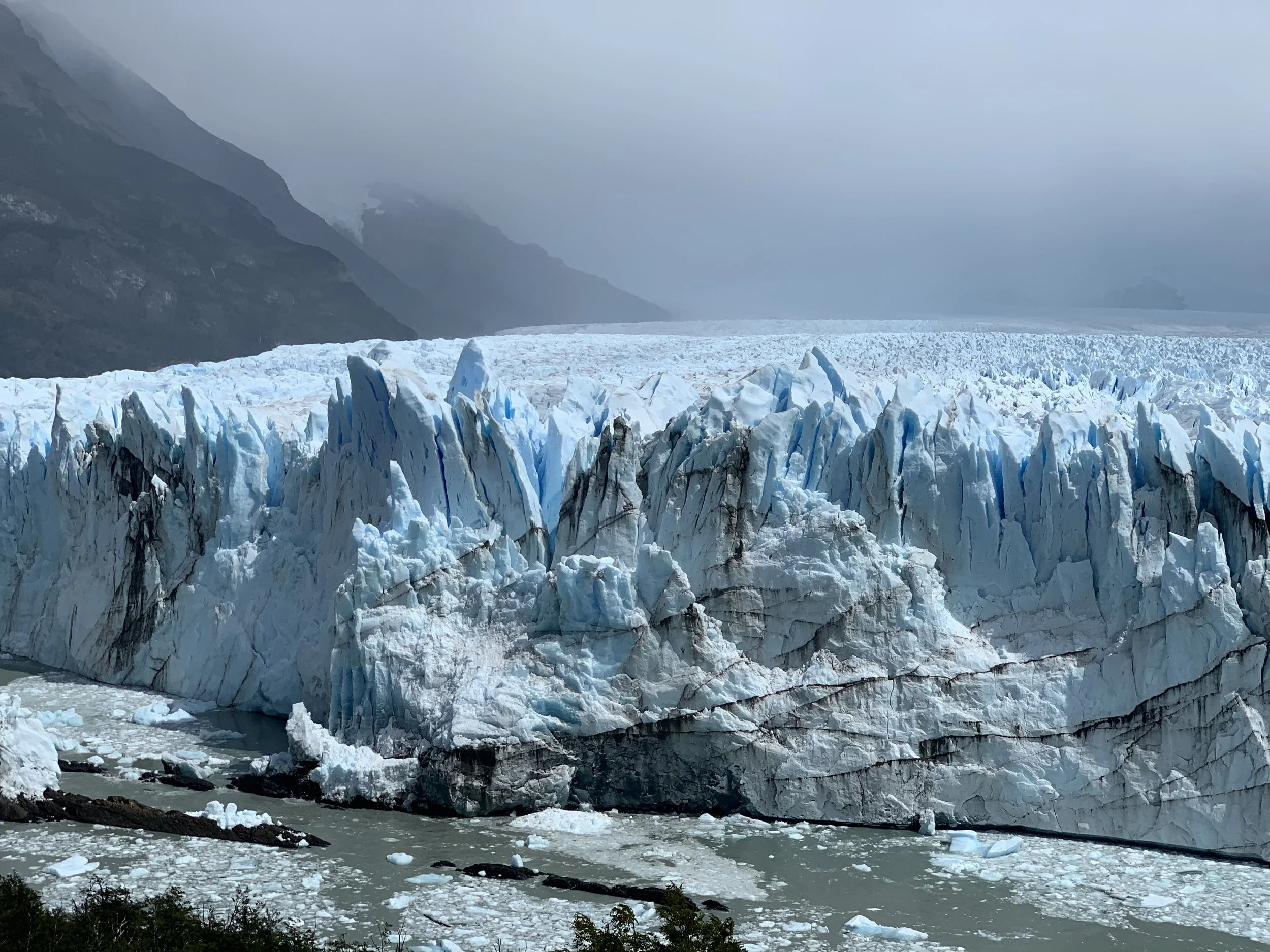
The subglacial environment is difficult to access, so very little is really understood about what happens in that dark, cold, high-pressure environment. I became interested in subglacial processes primarily because I saw a knowledge gap between subglacial water chemistry studies and studies of solid-phase weathering products - minerals. I am interested in the composition of subglacial precipitates, their preservation in the landscape, how to identify them remotely on Earth and other planetary surfaces, and what these fingerprints of glaciation can tell us about climate history. SEAHAG Lab emerged from these interests.
I am deeply committed to inclusivity both to broaden and to deepen the fields of planetary science and glaciology. Science and scientists are at our best when we include as many viewpoints as possible, and I want to do my part to deepen inclusivity through mentorship to help as many early career scientists succeed as possible.
Our lab uses fieldwork, laboratory experiments, and remote sensing methods to better understand surface processes at planetary analogs. These natural laboratories allow us to study active cryosphere processes in a rapidly changing world, and apply that knowledge to other planets such as Mars.


Who is behind SEAHAG?
Meet the SEAHAG Group
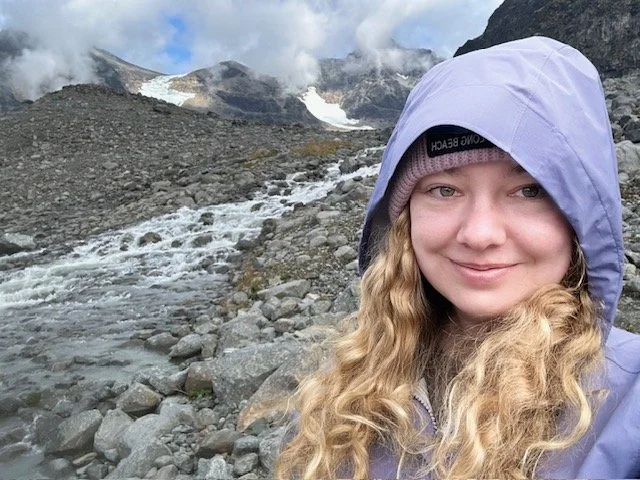
Candice De Anda
My research focuses on the characterization of glacially altered minerals and corresponding geochemical processes found at Mars analog locations. I use a combination of field work and laboratory analysis to analyze subglacially formed minerals, weathering rinds, iron coatings, and how the glacial outwash plays a role in the formation and alteration of these materials.
PhD Student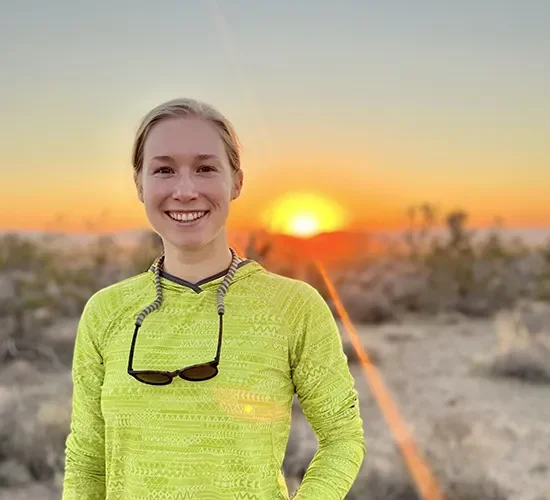
Natalie Jones
I am interested in whether extracellular polymeric substances (EPS)—sticky biopolymers excreted by common soil microorganisms—increase sediment strength and cohesion enough to influence the geomorphology of larger landforms, such as unvegetated meandering rivers, on Earth and Mars.
PhD Student (Alum)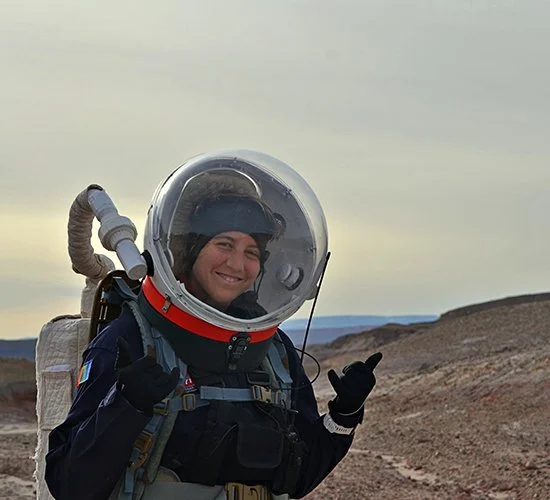
Helen Eifert
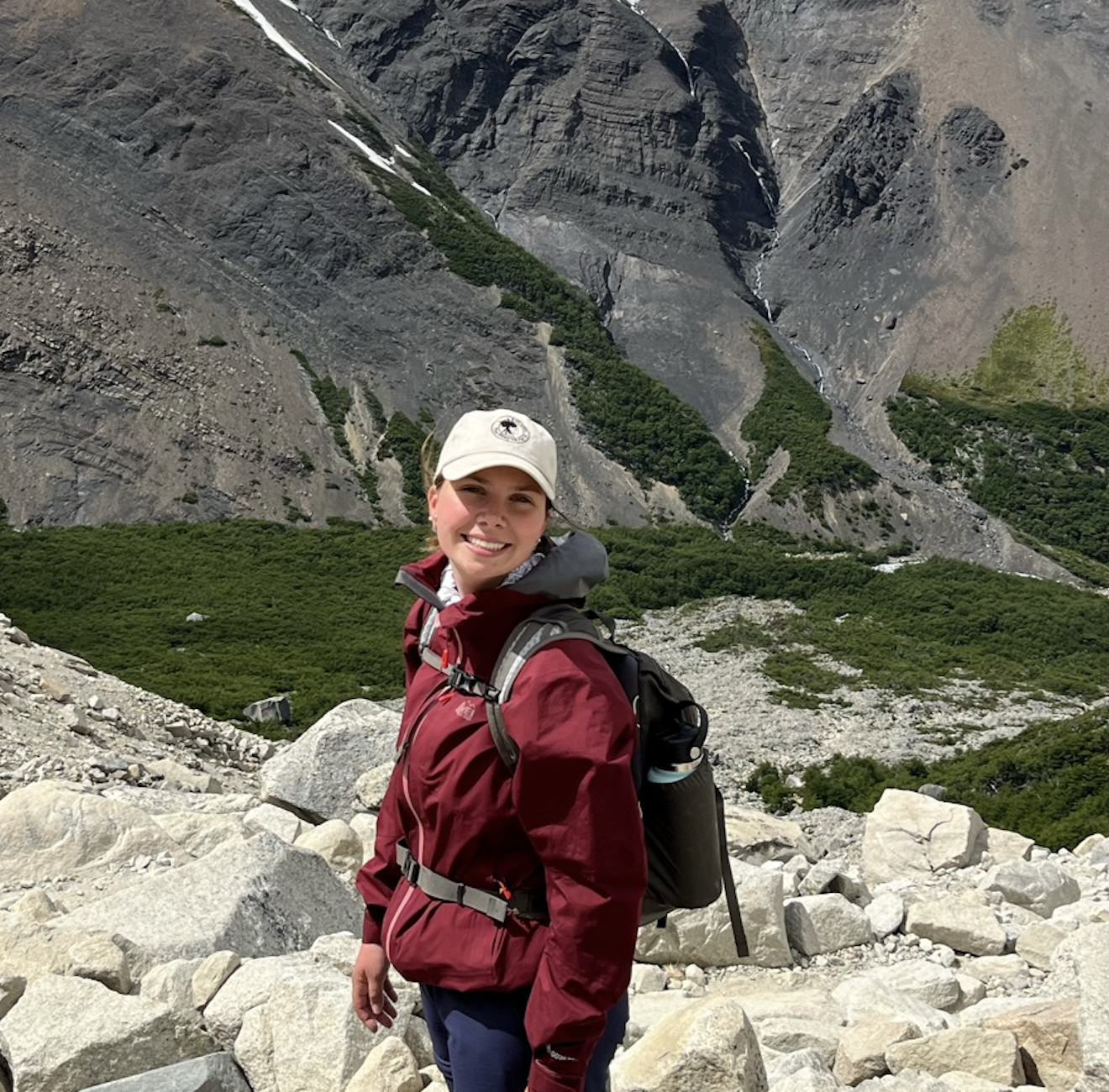
I study the detection and influence of water on the surface of Earth and Mars. I use a combination of field analog methods combined with VNIR and TIR remote sensing.
Graduate Student (Alum)Margo Moceyunas
I am interested in large-scale cryospheric processes like glacier retreat and permafrost deformation as well as the small-scale mineral alteration that occurs during these processes.
PhD Student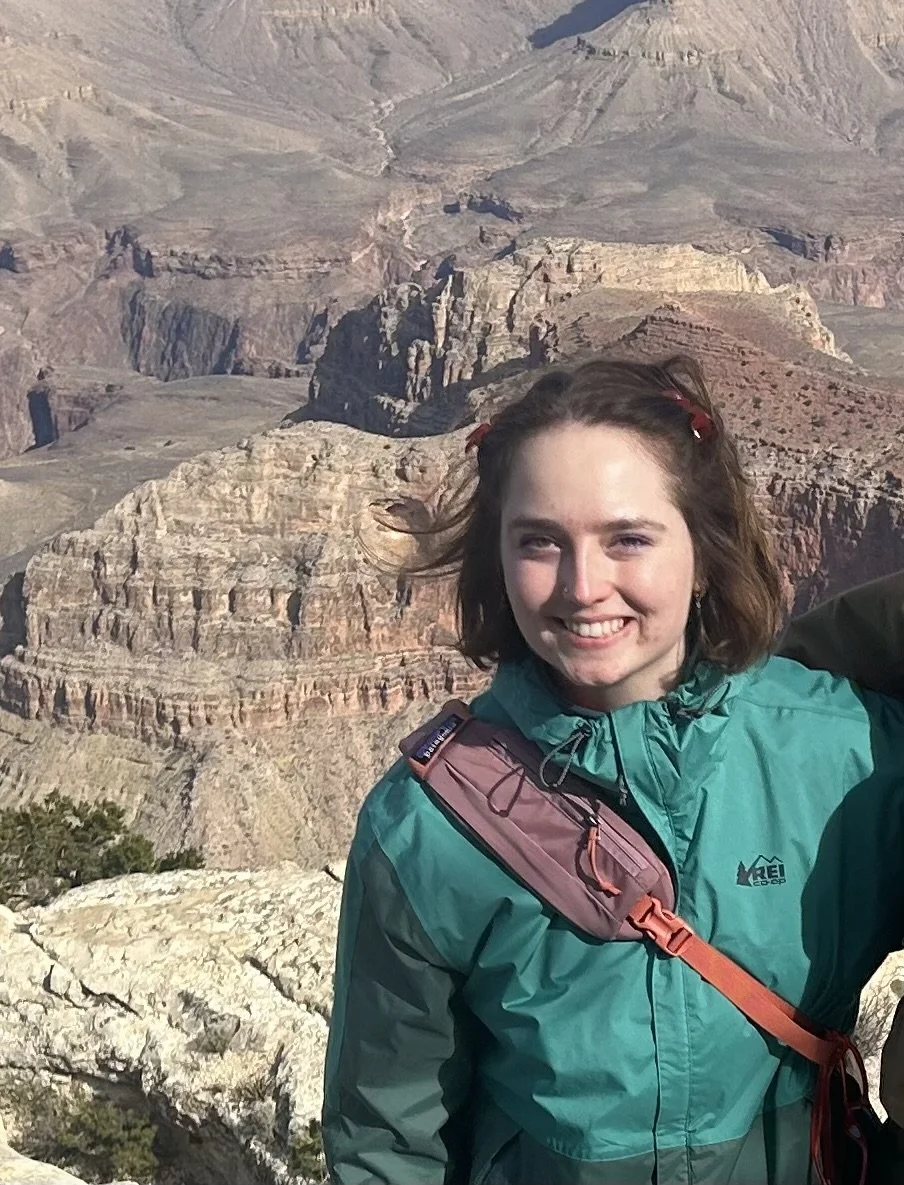
I am interested in combining remote sensing, planetary analog field work, and instrument development to investigate planetary volcanism, understand past and active surface processes, and explore past and future potential for habitability.
PhD StudentEmily Kriner
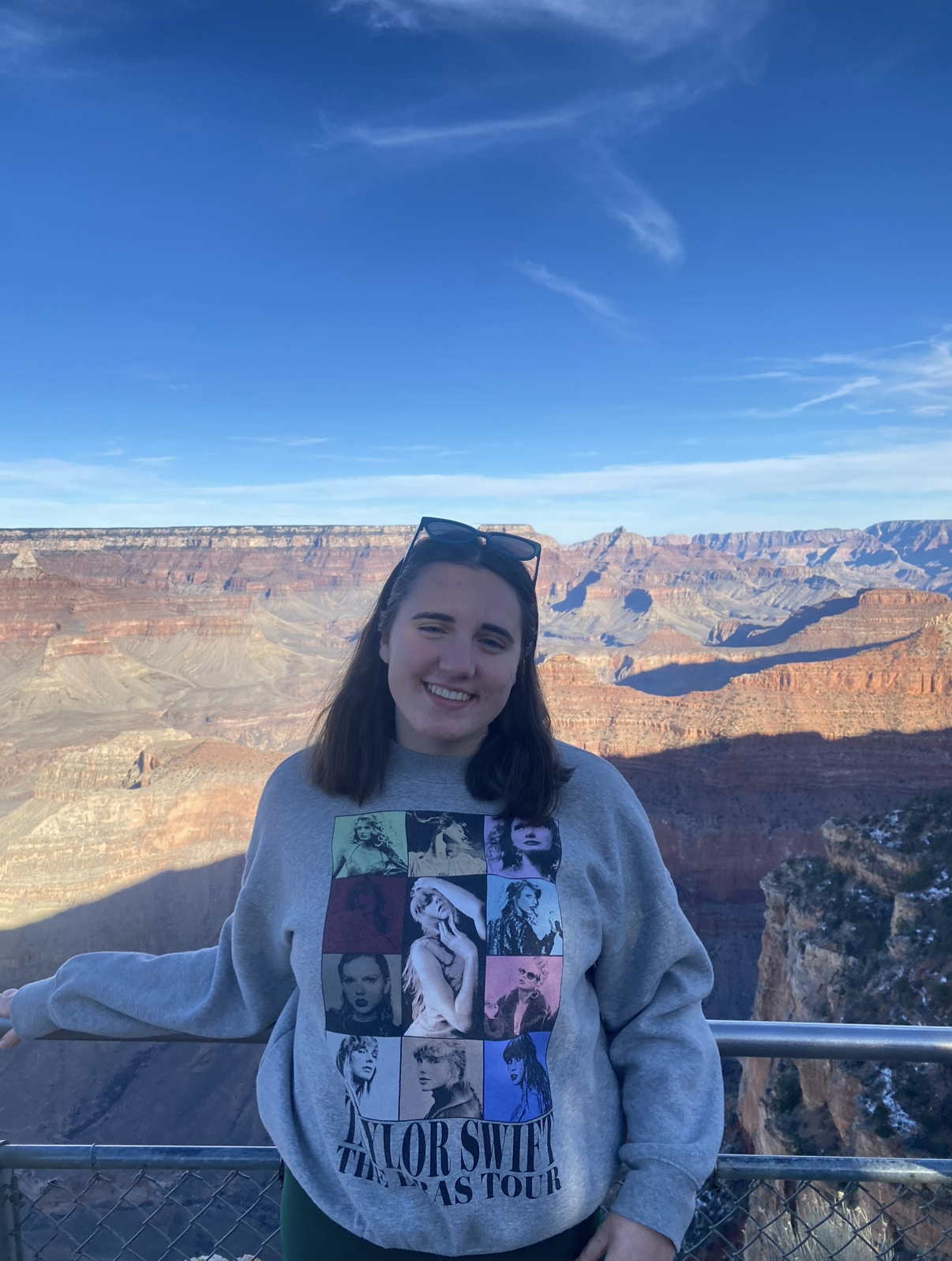
I am interested in Astrobiology and Microbiology. My research with the SEAHAG lab has included looking at chemical composition of Martian analogs from here on Earth, like from Iceland and Greenland. As well as growing cyanobacteria on Earth and Martian Biocrust and comparing their biofilm production. My research interests moving forward are with microbes, like cyanobacteria and phytoplankton, as well as extremophiles, and seeing how they react and change behaviors due to stress in their environment.
*Margo is now a graduate student at Texas A&M University
Undergraduate Student (Alum)Margo Mayhook
Friends of SEAHAG include: Dr. Christopher Edwards (NAU), Dr. Mark Salvatore (NAU), Dr. Christopher Haberle (NAU), Dr. Haley Sapers (NAU), Dr. Kristen Bennett (NAU), Dr. Lauren Edgar (NASA), Dr. Elizabeth Rampe (NASA JSC), Dr. Trinity Hamilton (UMN), Dr. Jeff Havig (UMN), Dr. Briony Horgan (Purdue University), Dr. Marie Henderson (NASA GSFC), An Li (University of Washington), and Dr. Ari Koeppel (The Planetary Society).
Students in the lab have the opportunity to work closely with these and other collaborators, such as Dr. Matthew Bowker (NAU) and Dr. Mathieu Lapotre (Stanford University).

Building Bridges Through Interdisciplinary Science
I am highly motivated by building bridges and forming collaborations. I firmly believe that the best science emerges from interdisciplinary study - asking a question from multiple angles and studying it with many methods. To that end, I often work with geochemists, remote sensors, microbiologists, and other field experts to approach a problem with a diversity of thought. I think this approach is illustrated in my 2018 paper , Silica Dissolution and Precipitation in Glaciated Volcanic Environments and Implications for Mars.
Mission & VisionPlanetary Glacial Geology
It is my vision for SEAHAG Lab to be a leader in the study of cold-climate alteration, domestically and internationally. I hope my students graduate with rigorous understanding of the guiding questions and how to approach them, and that the name "SEAHAG Lab" helps them in their search for future jobs and research funding. I most hope that I graduate students who want to continue to work with me as well as building their own networks.
The SEAHAG Lab embodies the following values:Inclusion & Mentorship
Science as a field and we as scientists are better when we expand and deepen our knowledge and ways of thinking. The SEAHAG Lab prioritizes and emphasizes mentorship of underrepresented (social/ethnic backgrounds, genders, sexual orientations, and more) students and postdocs.
Collaboration
We encourage a collaborative mindset over a sense of competition. A rising tide lifts all boats, and good communication results in happier scientists and better scientific interpretations.
Scientific Integrity & Transparency
SEAHAG upholds the value of ethical science. We strive to be honest, objective, and transparent in our data collection, analysis, and reporting methods. We prioritize the safety and respect for all persons involved in our research, including researchers and support crew as well as respect for the indigenous peoples of the lands where we conduct research. We consider it a privilege to be allowed to collect data and make observations in the lands of the Kaalallit, Sámi, Tenino and other peoples.
Adventure, Creativity & Rigorous Research
The SEAHAG Lab prioritizes a great deal of preparation in advance of each field study in order to maximize scientific return and ensure everyone's safety. With that in mind, we also encourage an exploration mindset - great science happens when we all keep open minds. We work hard but know how to have fun!
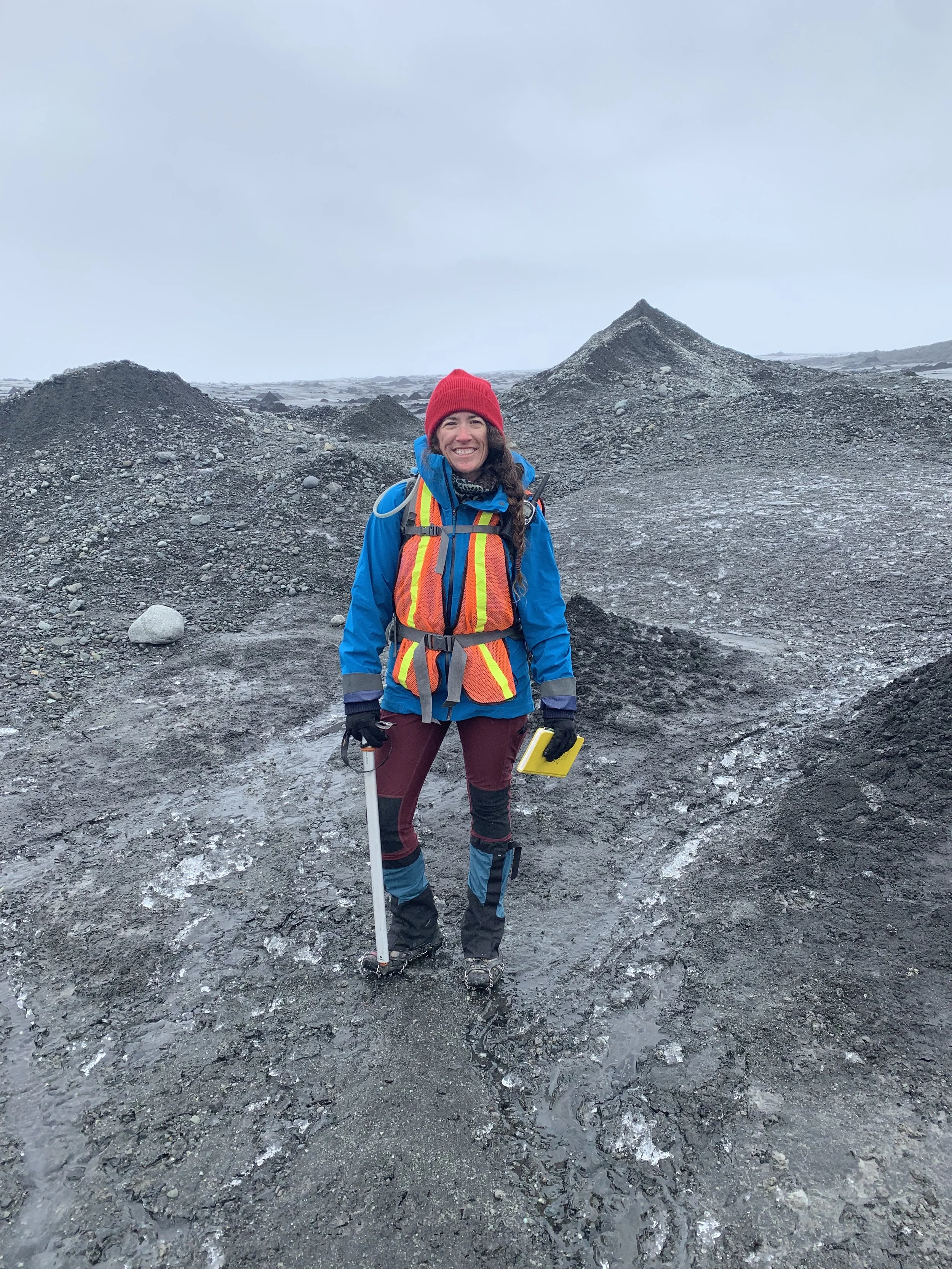
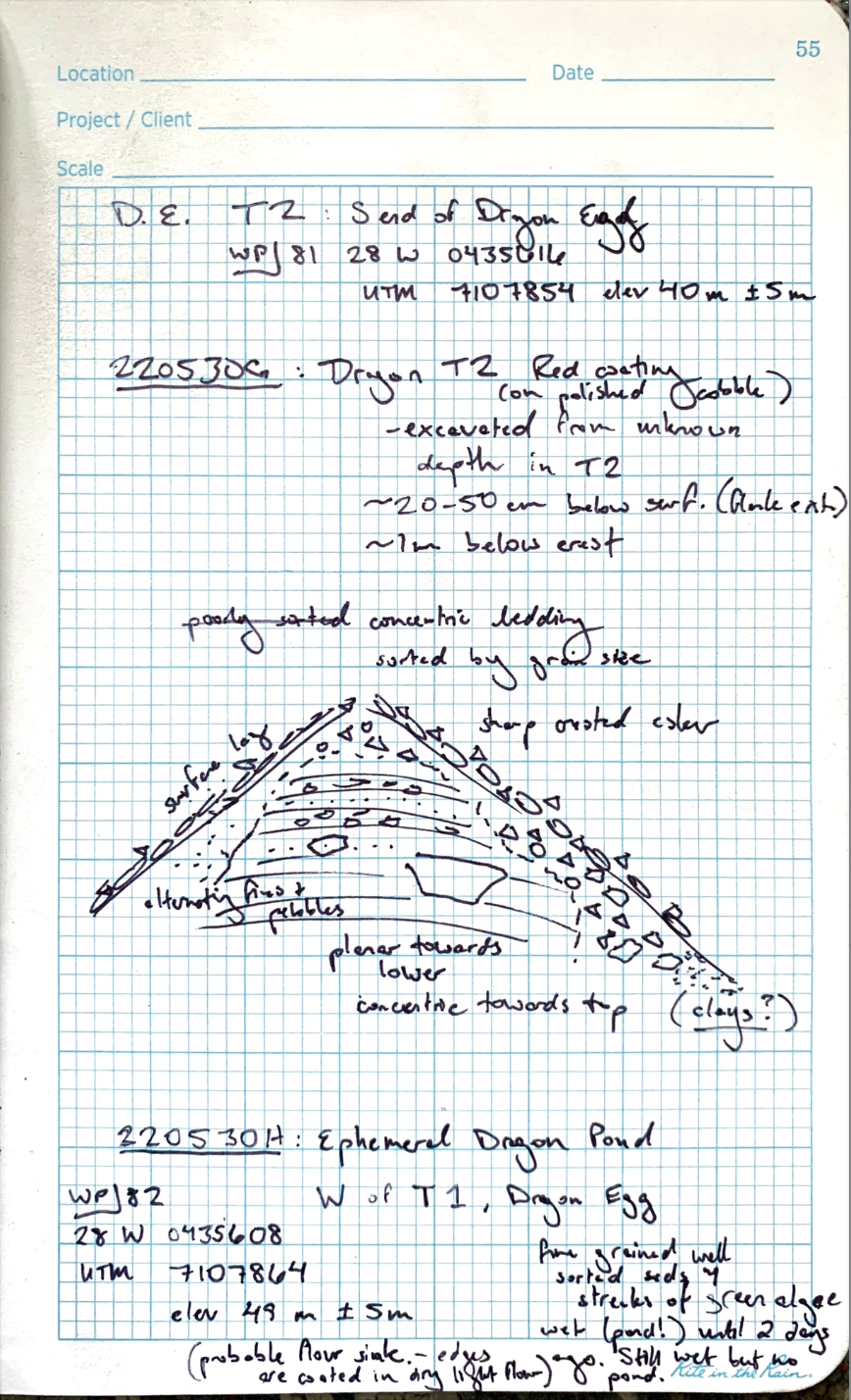
Ice axes, rock samples, and lab notes:
Life in SEAHAG
Researchers entering the SEAHAG lab find themselves in a welcoming, supportive environment, regularly interacting with several other planetary surfaces groups at NAU. An average week might find you, for example, analyzing sediment samples from a high Arctic glacier in our composition laboratory, leading an undergraduate astronomy class, presenting your latest results at our weekly meeting, attending a remote sensing class, or working collaboratively with a mentee on their weathering experiment in our chemistry lab. Sometimes you'll go into the field - maybe the Arctic, Yellowstone, or closer to home in the Kachina Peaks, Flagstaff - to study a science question of your own design. We encourage lots of communication within the group: you'll attend (in-person or virtual) group meeting once a week, meet one-on-one (in-person or virtual) with Dr. Rutledge biweekly, and use groupchats and other online tools to facilitate communication between regularly scheduled meetings.

Explore with SEAHAG
Graduate students: I am not taking new students for Fall 2026.
See more about our PhD program here: https://nau.edu/astronomy-and-planetary-science/phd-astronomy-planetary-science/
Undergraduate students: I have an opening in my lab for an undergraduate researcher. Please contact me the contact page link below.