Spectroscopy, Earth Analogs, Habitability,
Alteration, & Geochemistry
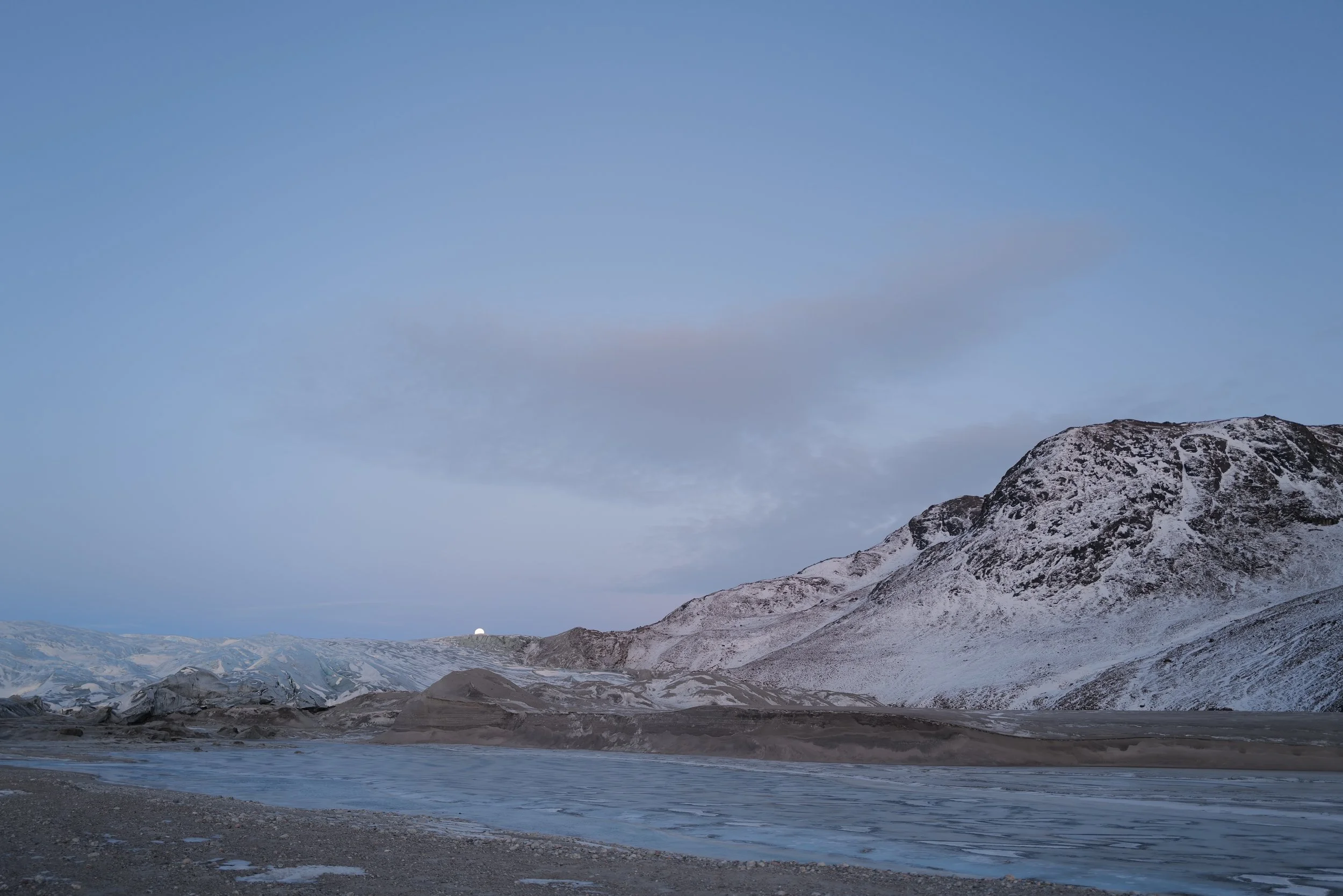
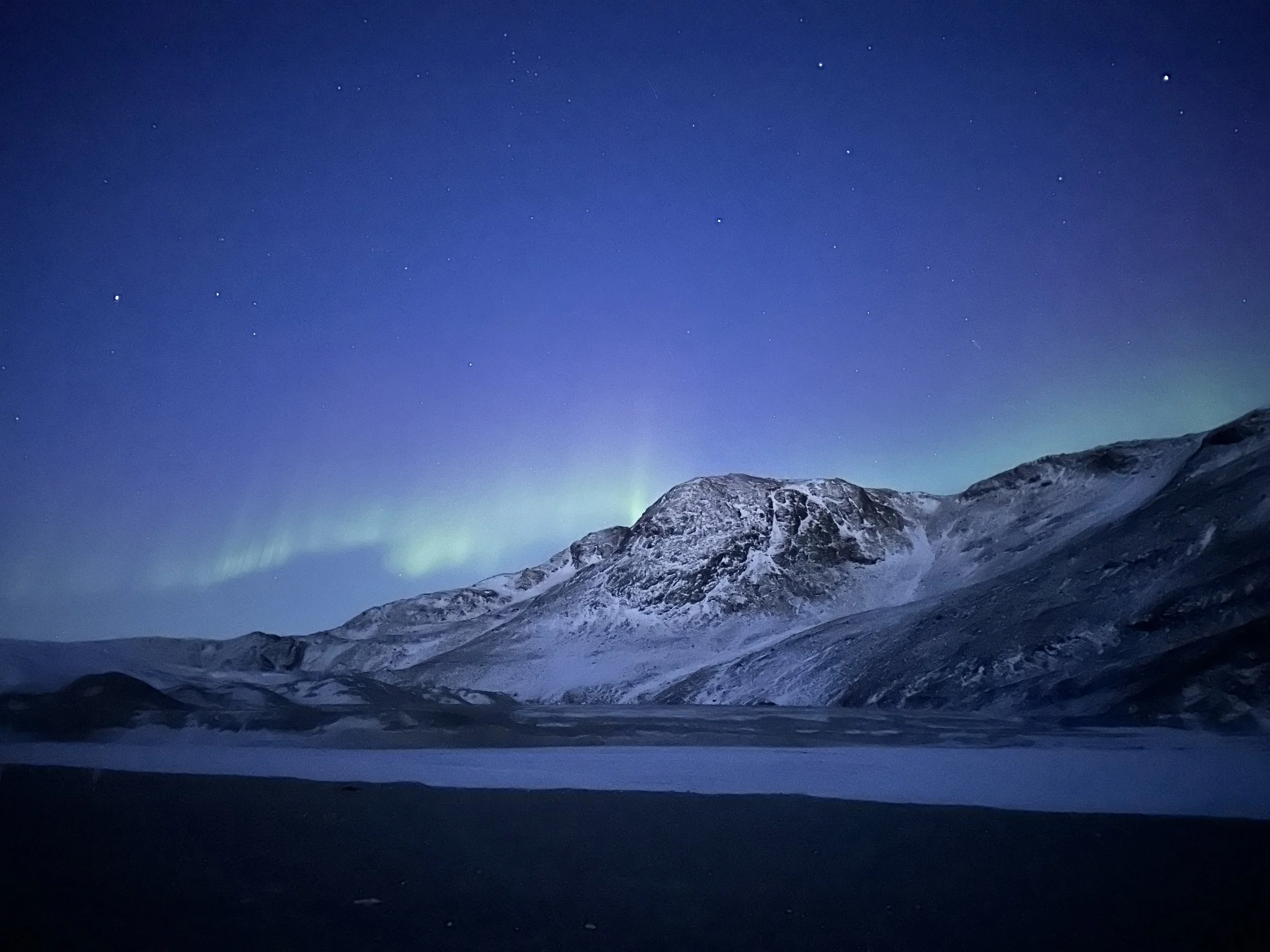
Exploring Earth's Cryosphere to Understand Other WorldsThe Moon rising over an outlet glacier and mountain in Greenland.

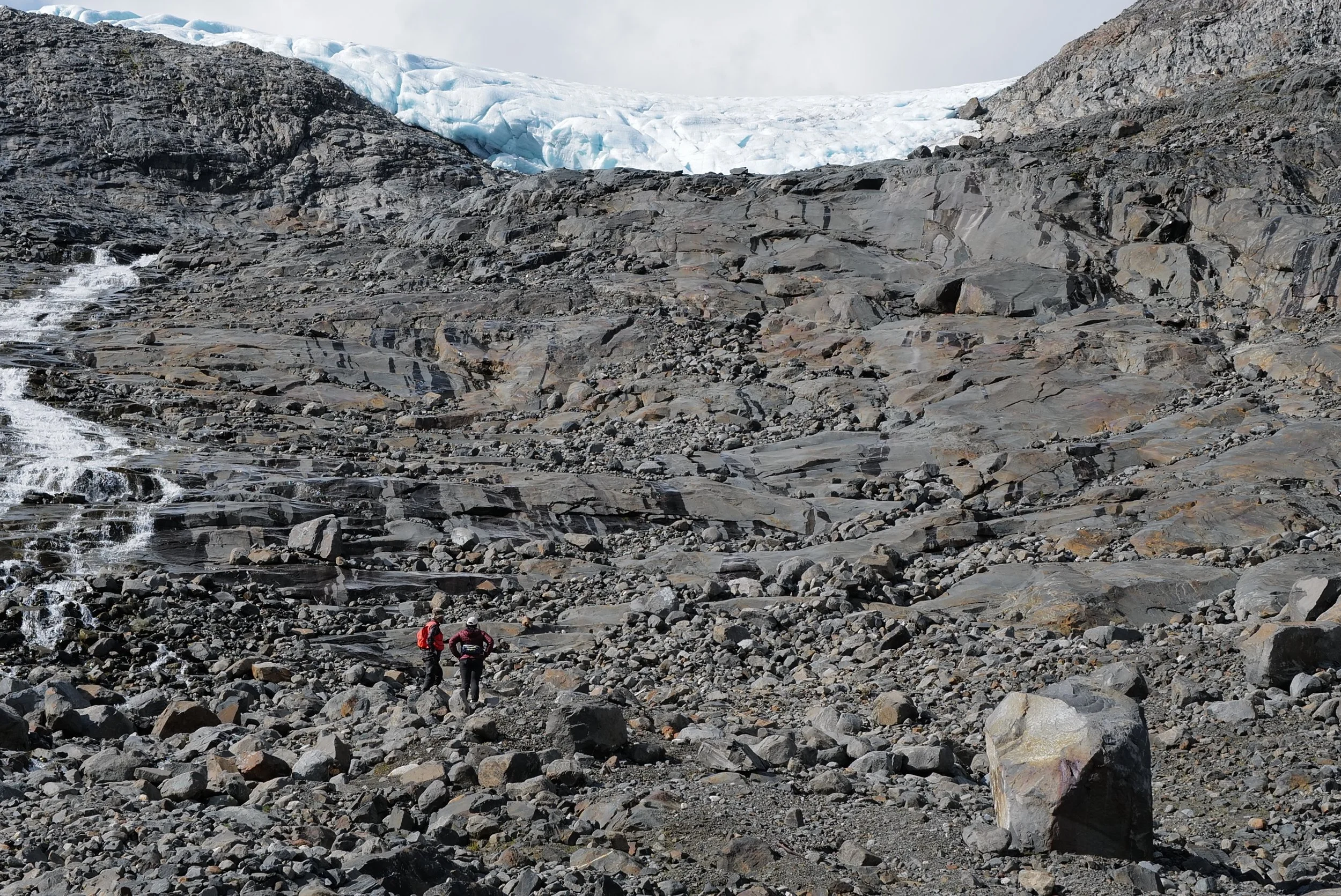
Arctic valley polythermal glacier over dark, Mars-like bedrock, with iron stains on the glacially polished rock. Melt water streams are seen cascading down the rock face.How ice shapes rocks and landscapes on Earth to understand how similar processes might happen on other planets.
SEAHAG characterizes how glaciers chemically alter their landscapes and create habitable environments in order to characterize icy processes on Mars and other planets in the past and present.

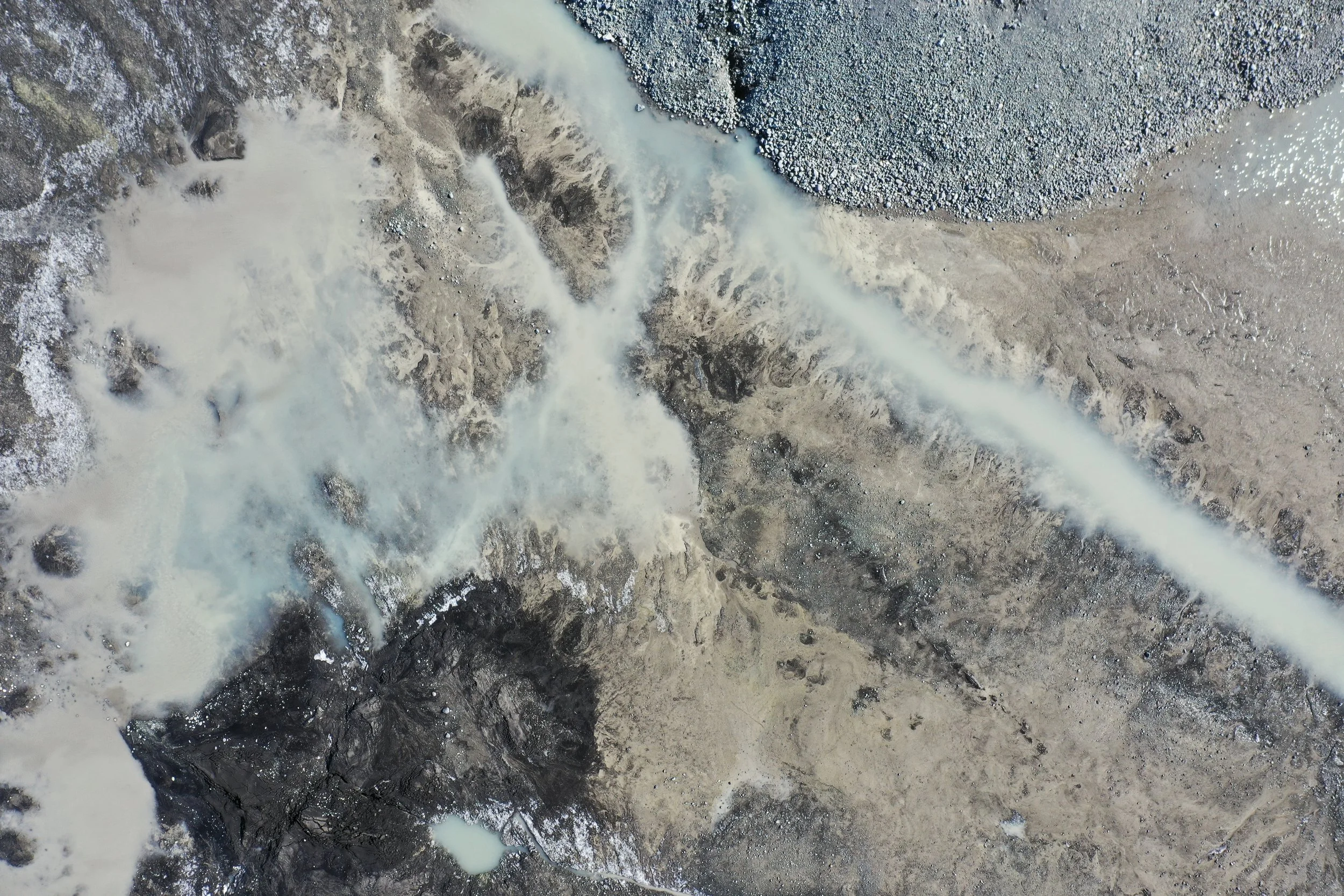
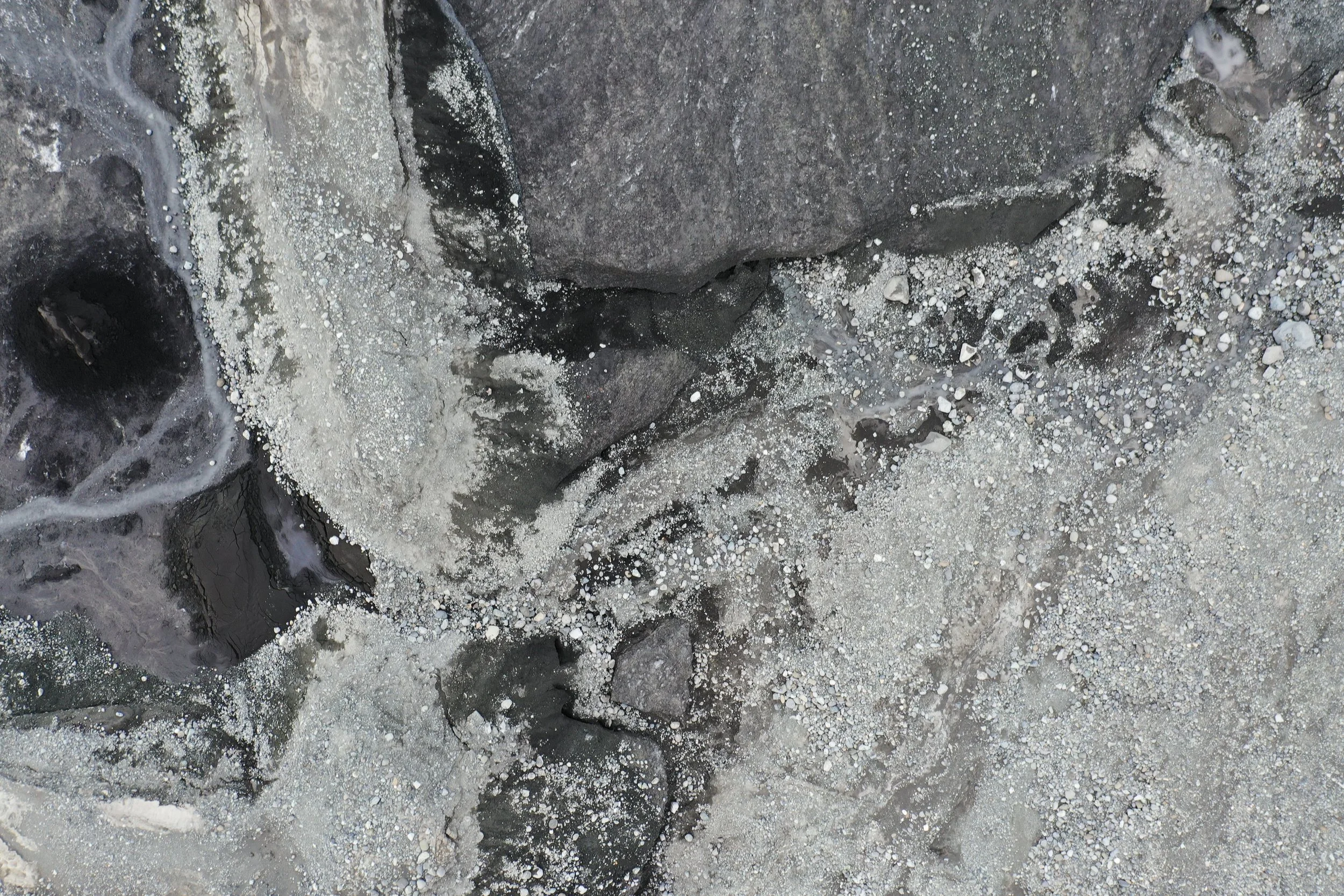
This image represents the interaction of glacier ice and sediment. A UAV image taken from ~400 ft above the ground. Glacier ice is towards the top of the image, fresh glacial sediment at the bottom, and sediment-rich meltwater is draining down the glacier on the left of the image.
Planetary Glacial Geology
for Studying Ancient Climates
Alicia Rutledge and the SEAHAG group explore glaciers and glaciated landscapes to understand how ice and rock interact on other planets such as Mars. We use a combination of field, lab, and remote sensing analyses to study the mineralogy and geochemistry of glaciated regions and compare the results to the composition of other planetary surfaces. Secondary mineralogy is a record of past climate — composition is thus a “fingerprint” of cryosphere processes. In this way we can better understand both the changing landscapes of Earth and the past climates of planets such as Mars.
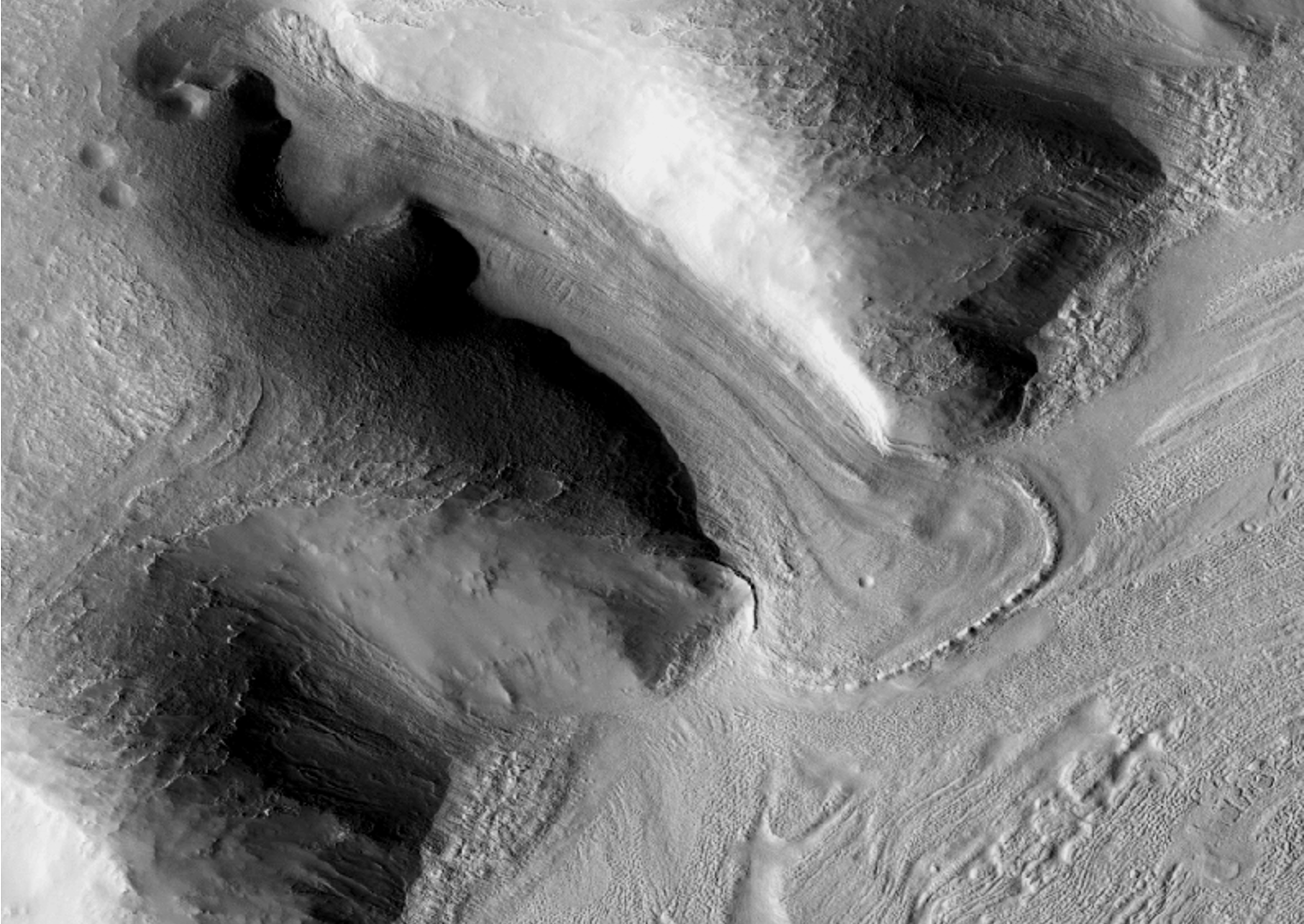
Glacial research is particularly important because Earth's ice is rapidly vanishing at an increasing rate, especially small alpine glaciers. We urgently need to understand cryosphere processes and how they are changing in a warming climate before our glaciers disappear entirely. Mars has also undergone past climate shifts and most likely experienced its own ice ages, and still has evidence for glaciers on its surface today. By studying the cryosphere of Mars and its past climate history, we may well inform our understanding of Earth's climate change today.
HiRISE image of a small glacier on Mars.
Image credit: NASA/JPL/University of Arizona
Unlocking the Secrets of Ice
on Earth and Mars
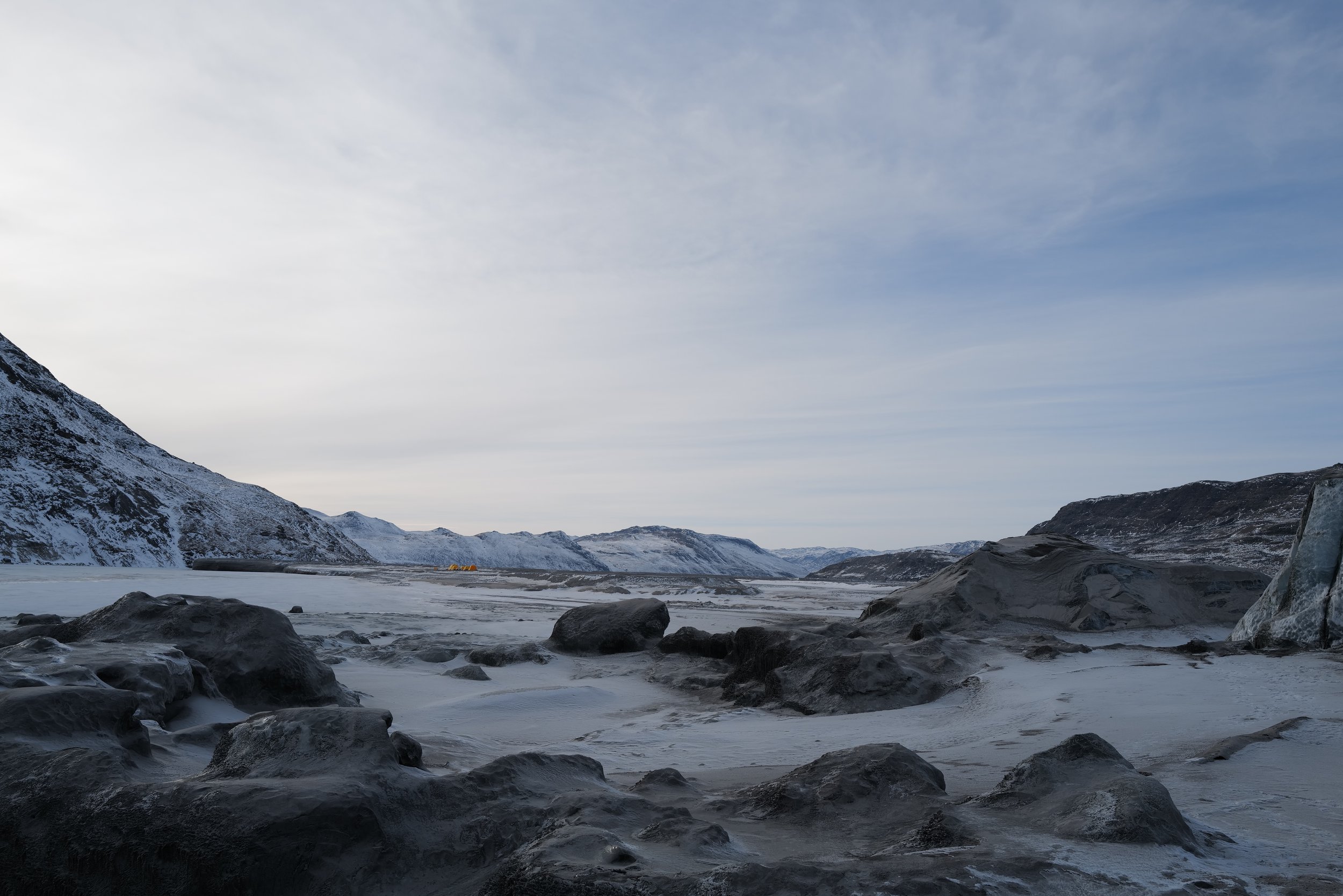

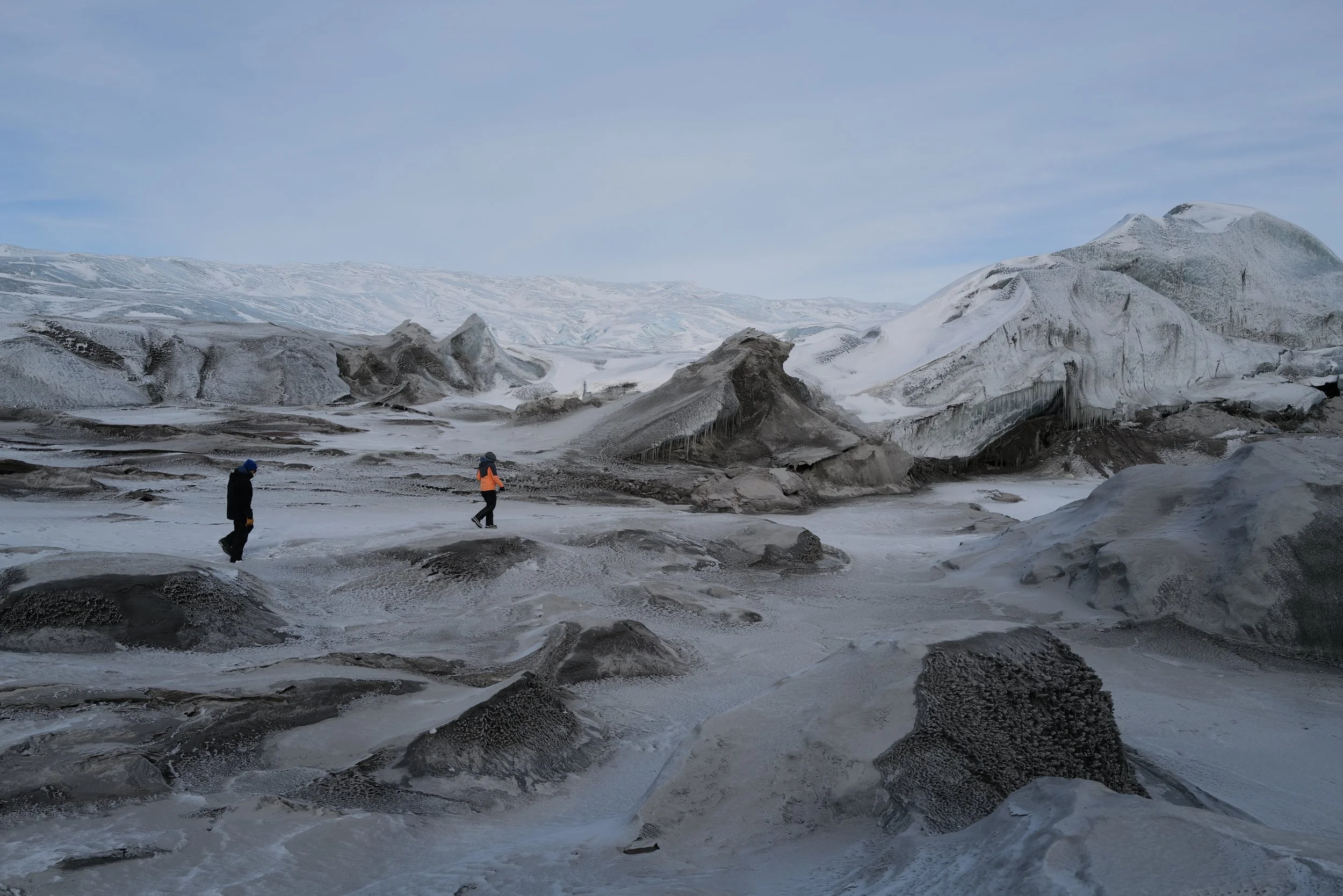
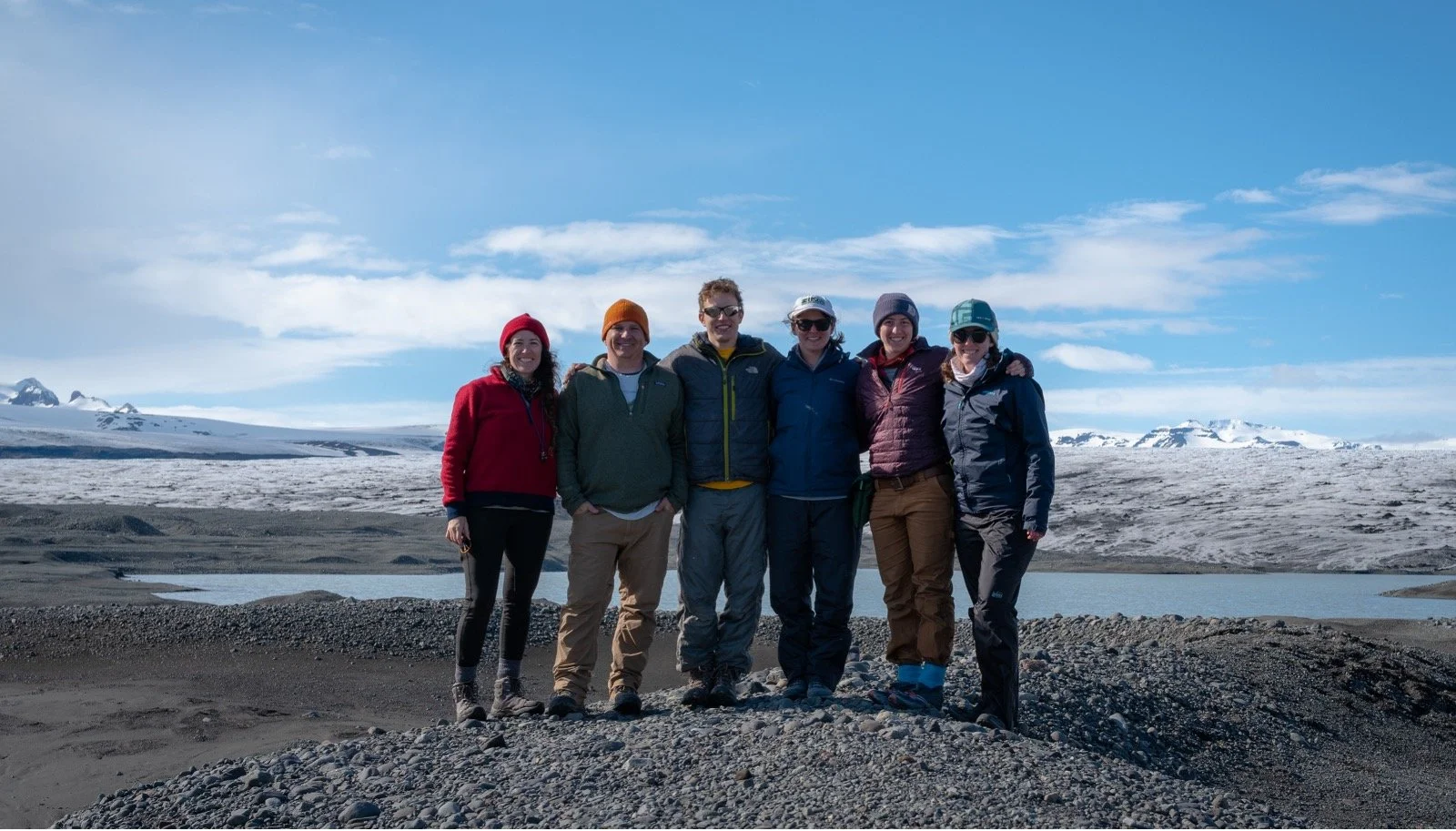
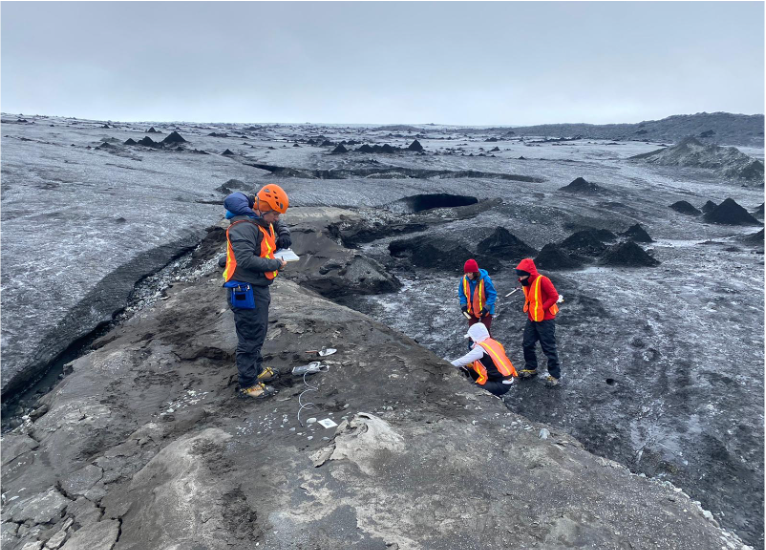
Dr. Rutledge and collaborators working in a Greenland glacial outwash plain.Meet the Research Group
Alicia Rutledge, Assistant Professor of Planetary Science
Candice De Anda, Graduate Student
Margo Moceyunas, Graduate Student
Emily Kriner, Graduate Student
Ian Marrs, Graduate Student
Tyler Cox, Graduate Student
Natalie Jones, Graduate Student (alum)
Helen Eifert, Graduate Student (alum)
Kayla Blair, Research Technician (alum)
Margo Mayhook, Undergraduate Student (alum)
Publications include works published in Annals of Glaciology, Earth and Planetary Science Letters, Icarus, and Geophysical Research Letters.Dr. Rutledge is looking for interested students and collaborators, to inquire please use the appropriate form on our contact page here. If you would like to explore what working together can look like please visit our work with us page.
Graduate students: I am not currently recruiting for 2026.
Undergraduate students: I have an opening for a lab assistant.
Postdoctoral scholars: There may be a posting in the near future.
Interested in Working with Us?

Contact & Press
Dr. Alicia Rutledge
 Northern Arizona University
 Dept. of Astronomy and Planetary Science
alicia.rutledge@nau.edu
(928) 523-5236Mailing: PO BOX 6010, Flagstaff, AZ 86011
Delivery: 527 S. Beaver St., Building 19, Room 209, Flagstaff, AZ 86011Press links
NASA funding research on melting Swedish glaciers to understand climate change on MarsSara Mackey: Time of MeltMicrobe Goo Could Help Guide the Search for Life on MarsNAU News: Rutledge Receives Early Career AwardNAU News: Meet some of NAU’s researchers: Discovering space on EarthNAU News: How to Study Mars on Earth
We are committed to sharing a passion for glaciers, ice, and planetary science with the wider community! Check out our ongoing research projects, what we've been up to in the news, and explore working with us here.
Join Us in Exploring Ice on Earth and Mars